A Midsummer Odyssey
Discovering the beauty of Upstate New York

A Midsummer Odyssey
Crisp, cool mornings, signaling autumn’s arrival, stand in stark contrast to last summer’s blistering heat on the East Coast, and memories of long weekend trips help forestall chillier climes ahead.
Yearning for relief at the beach, we fantasized about cool breezes to lower the sticky temperature a degree or two. Although Rhode Island and Connecticut beckoned, friends’ tales of traffic tie-ups, making Interstate 95 a parking lot, gave us pause. We opted instead to drive northwest to Lake Ontario, where families in Central New York have vacationed for more than two centuries along its 200 miles of lakefront.
The journey to the outskirts of Rochester, through upstate New York’s rich farmlands, was serene. And we encountered little traffic as we passed through the Finger Lakes region. As Hilton Honors members, we selected The Double Tree hotel, located just outside the city, which provided easy access to local restaurants, sidewalks for walking, and (my priority) a short ride to the Erie Canal bike path. Although the hotel was undergoing a massive renovation, with annoying waits for elevators and spotty air conditioning in the lobby, the staff was friendly and accommodating. When we spoke up about the inconvenience, management awarded us extra points. Hilton is known for providing superior customer service, and we can attest to their commitment to keeping patrons pacified.
Although we had our choice of good restaurants to try in downtown Rochester, we dined on fresh salad and ice cream sandwiches at the bar in the hotel our first night and were grateful to tumble into our rooms afterward.
Early the next morning we began our day with breakfast at Steve’s Diner directly across from our hotel (our hotel booking did not include breakfast, which we discovered on our first morning, despite both the check-in attendant and bartender assuring us it was), and picked up fruit and cold cuts for a picnic at at Lake Ontario. On the 15-minute drive, we passed several private enclaves of elegant summer homes on our way to Hamlin Beach. The $9 entry fee was well worth it, as we found ample parking, clean restrooms, and no litter (nor trash cans: Signs are posted, warning visitors to carry in and carry out their refuse).
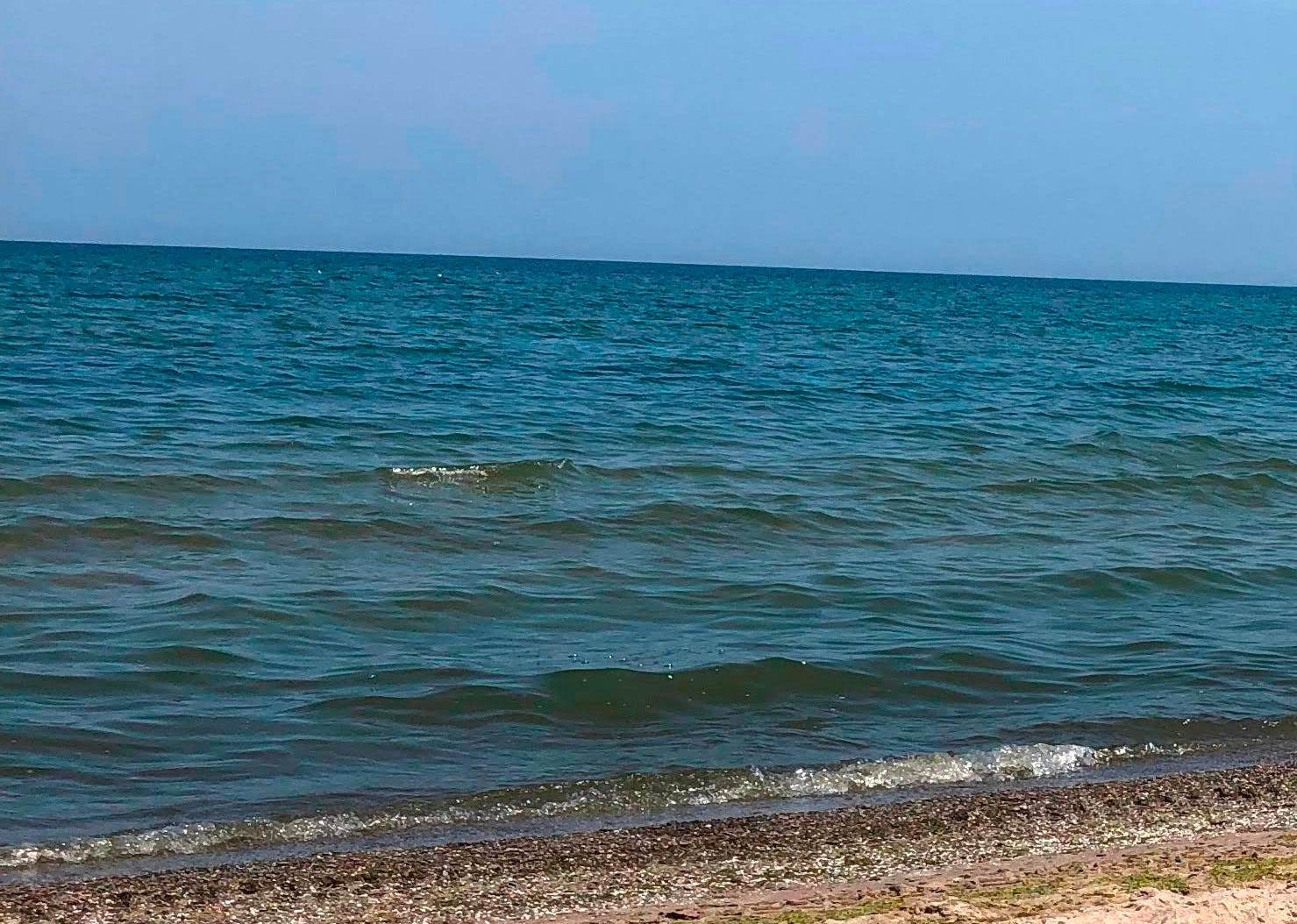
The mere mention of ‘lake’ conjures different images from beaches, but when we arrived, Lake Ontario had everything but surfable waves, and the water gently lapped the sandy shore. The water was a pristine blue, and we counted no more than perhaps 10 people, and none within earshot, though a mile or so east, a family beach displayed roped off areas and a lifeguard. Best of all, I found a wonderful bike path along the lake (shorter than I would have liked, but the miles of shade was a welcome compensation). Somewhere due north was Canada, but it seemed as far away as England.
It’s astonishing that so few of my fellow New Yorkers have visited the Great Lakes—we have both Lake Erie and Lake Ontario within our borders—and opt for crawling along the Long Island Expressway for three-plus hours to reach the Hamptons. Lake Ontario, by comparison, is more rustic, and though it lacks the ubiquitous high-priced restaurants and chic shops, winding down from New York City’s bustle, surrounded by placid beauty, is ample recompense.
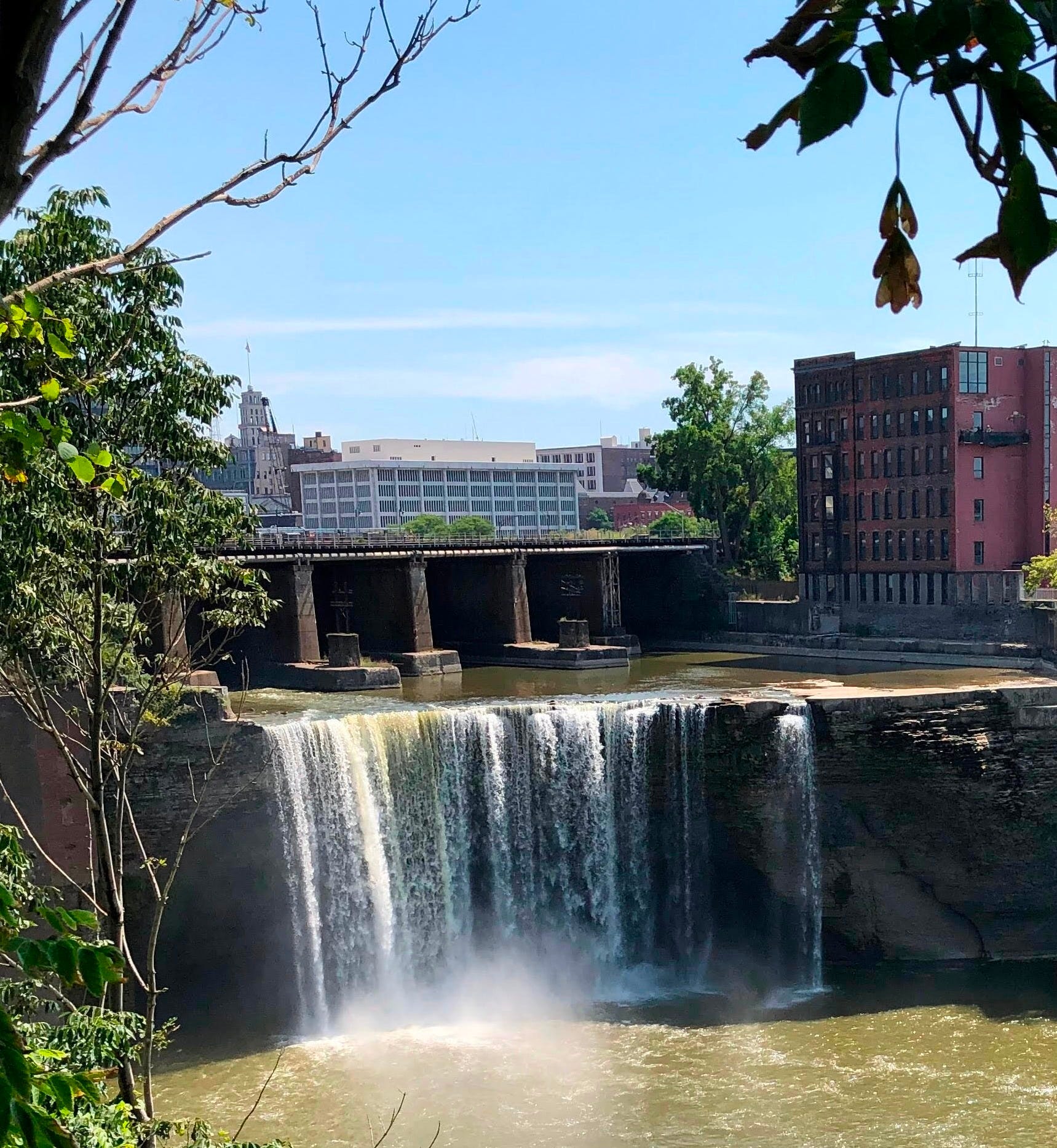
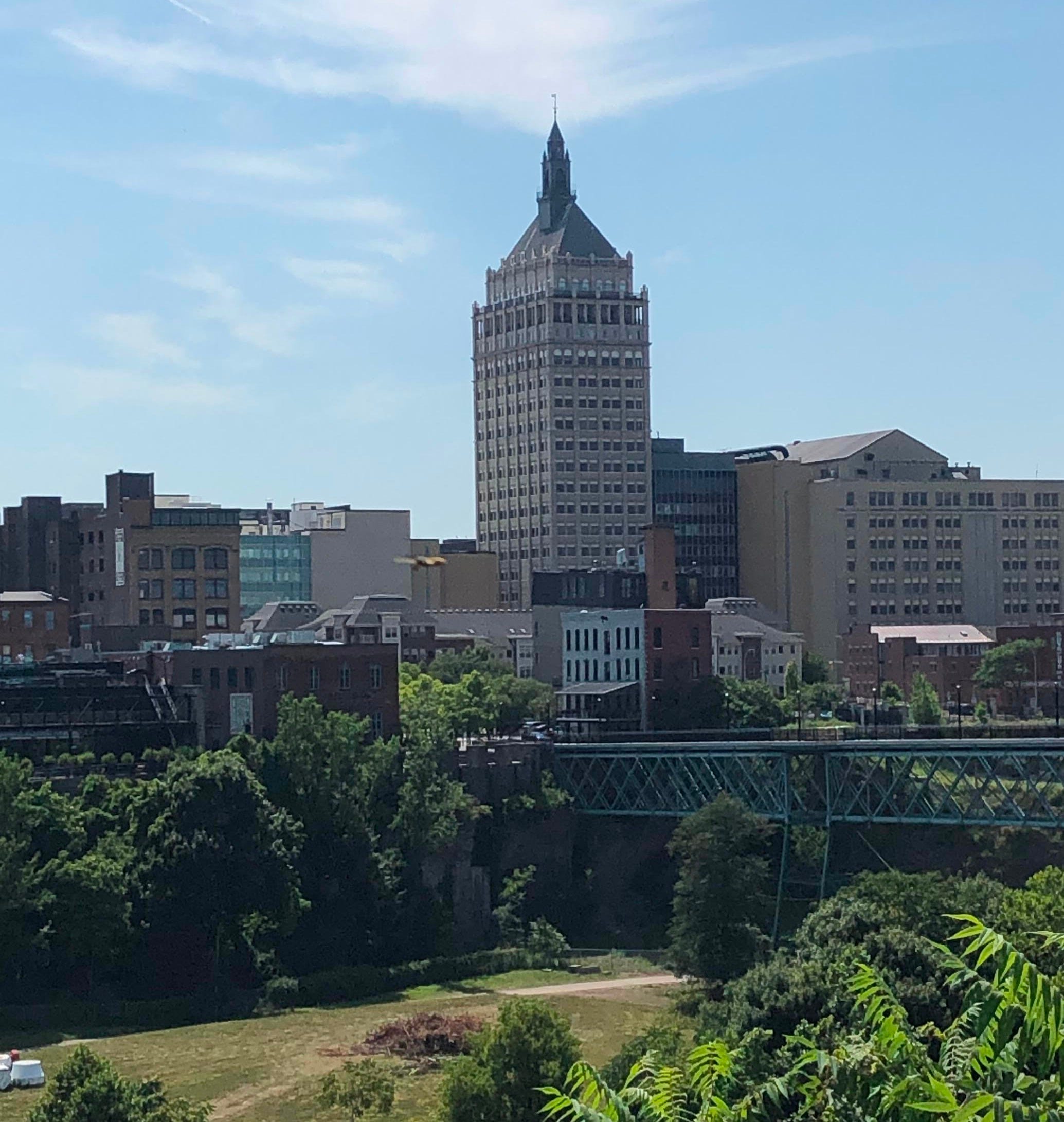
Downtown Rochester, nestled along the Genesee River, offers several diversions. We stopped at High Falls, a 95-foot waterfall smack dab in the center of the city. The views along the walk of the Pont De Rennes Bridge are lovely. Nearby is the Genesee Brew House, offering not only beers from Genesee Brewing Company but lots of regional pub-style food. Kodak Tower looms in the distance, built in 1914, and was the city’s tallest building for 50 years until the Xerox Square Tower eclipsed it in the 1960s.
The nearby Rochester Public Market has more than 300 vendors of breakfast items, sandwiches, and pastries. We enjoyed a great dinner at Texas Roadhouse, a few walkable blocks from our hotel, where we were astonished by the chain’s quality of food at a reasonable price.
One of the highlights for me was easy access to the Erie Canal Bike Path, where I took a leisurely 22-mile ride into Rochester, which meandered along the Genesee River. It was a pleasure to ride in relative solitude without fear of being sideswiped by e-bikes, a constant threat that we cyclists must dodge when riding in New York City.
After checkout the next day, we drove a couple of hours east to the St. Lawrence River, which separates the United States from Canada, to visit the Antique Boat Museum (my son, Chris, has been obsessed with boats since he sailed them in his baby bath.) Beautiful vintage boats were on display, and river tours are available, as well as charter cruises.
Elco (an acronym for the Electric Launch Company) has a storied history. Founded in 1893, it built submarines for the British in World War I and PT (short for patrol torpedo) boats in World War II, including the PT-109 made famous by Lieutenant John F. Kennedy.
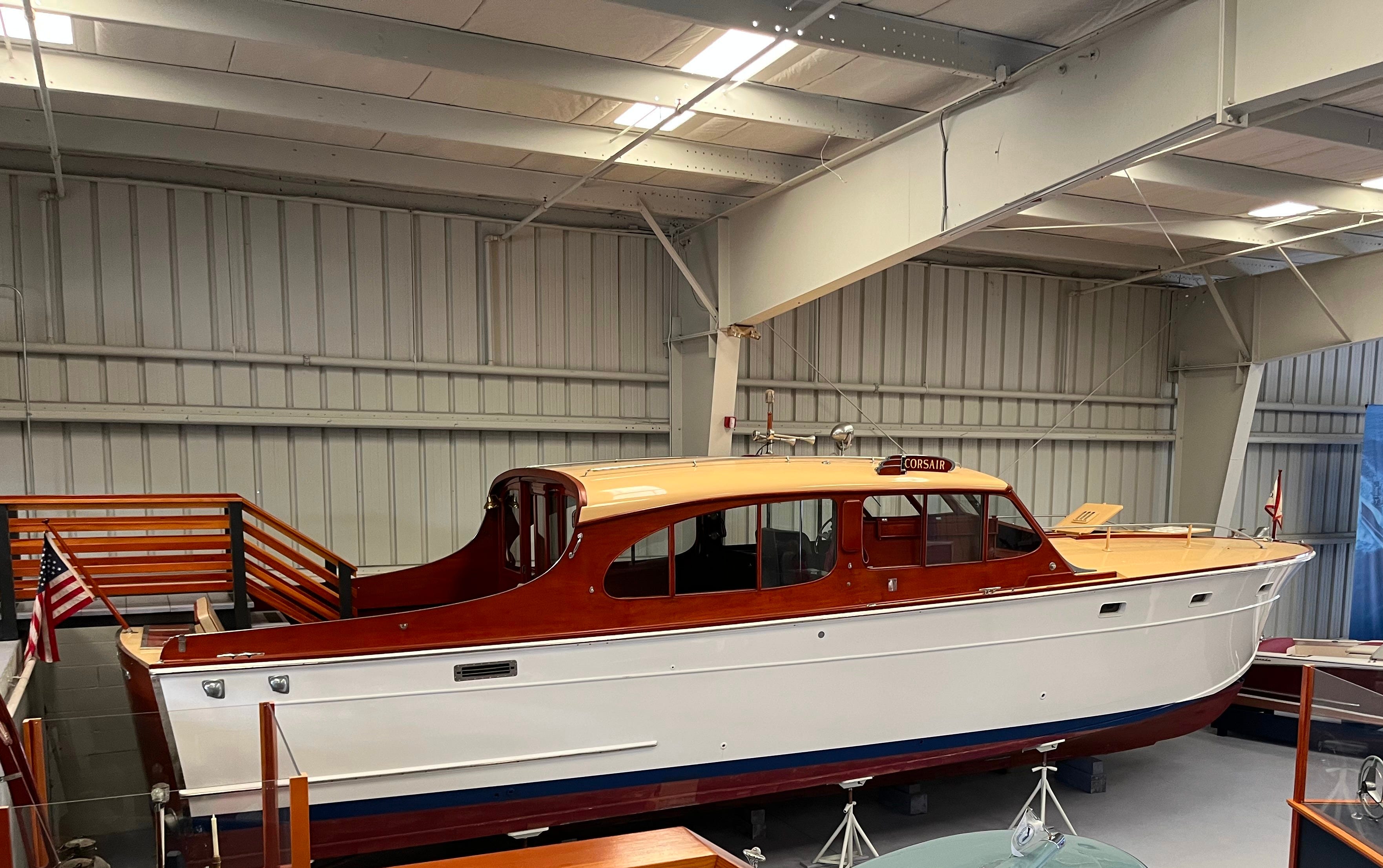
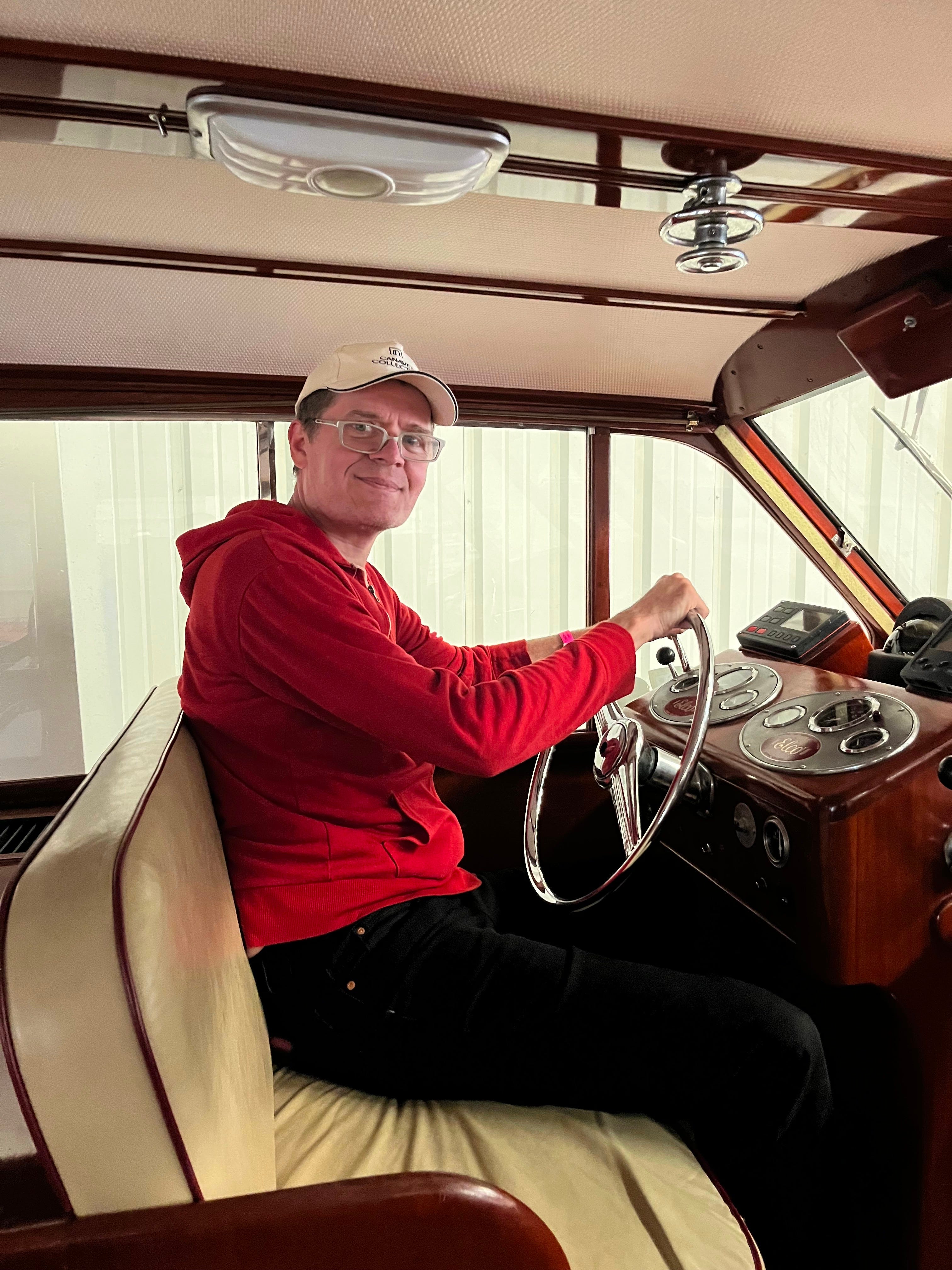
The museum is well worth the trip. Back in the day, wealthy families spent their summers on their own private islands on the St. Lawrence River and were ferried to and from them by electric boats. Hence the number of antique boats preserved for us to see.
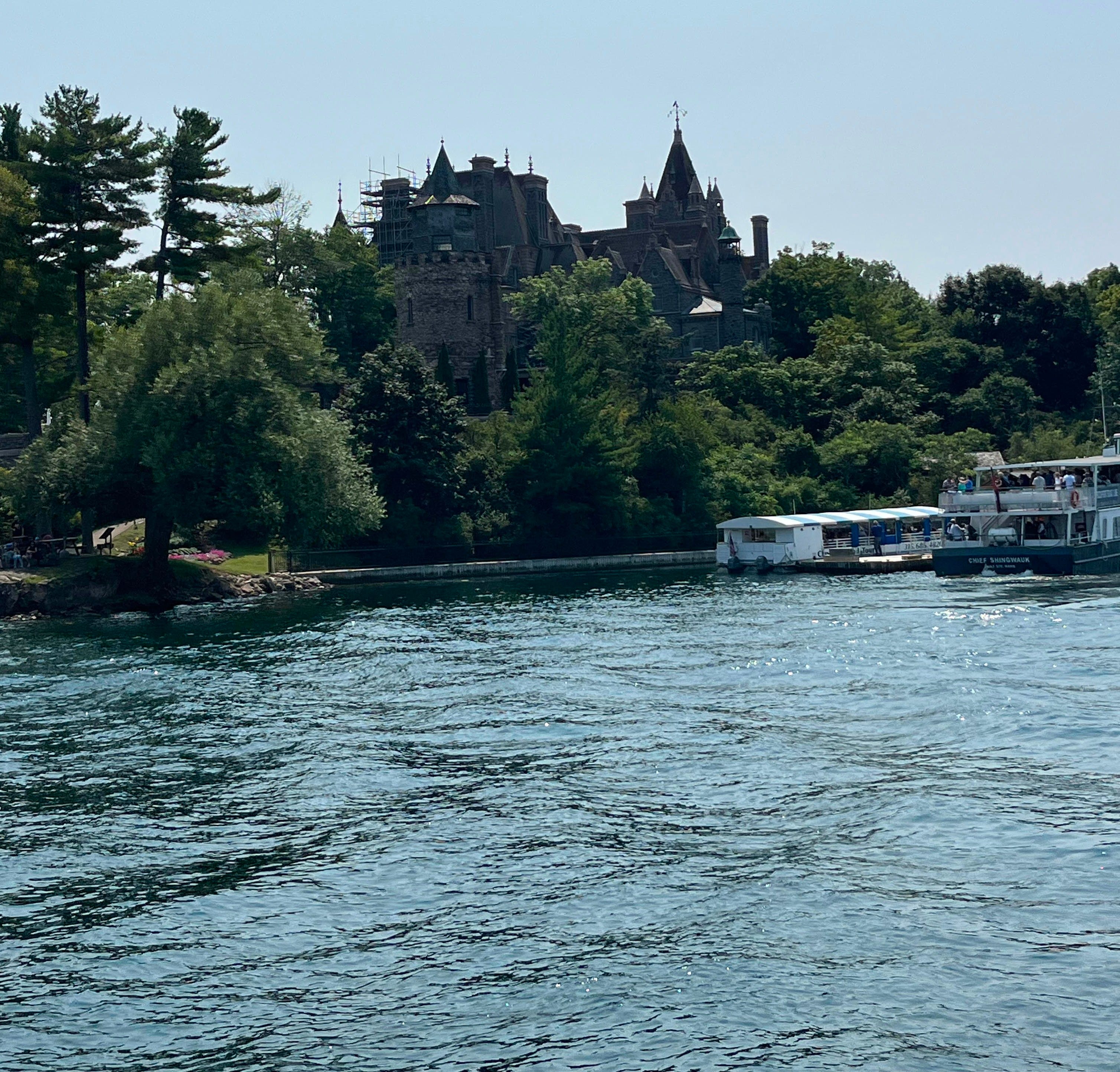
Twelve miles further east, in Alexandria Bay, you can climb aboard the Uncle Sam for a pleasant trip to Boldt Castle. Part of the Thousand Islands area, the 90-minute narrated tour explains the history and legacy of countless summer homes, and pinpoints when the boat officially enters Canada before heading back to the US. Years ago, Walter Cronkite narrated a fascinating history of the construction of the St. Lawrence Seaway, which opened a vital trade route by connecting the Great Lakes to the Atlantic Ocean.
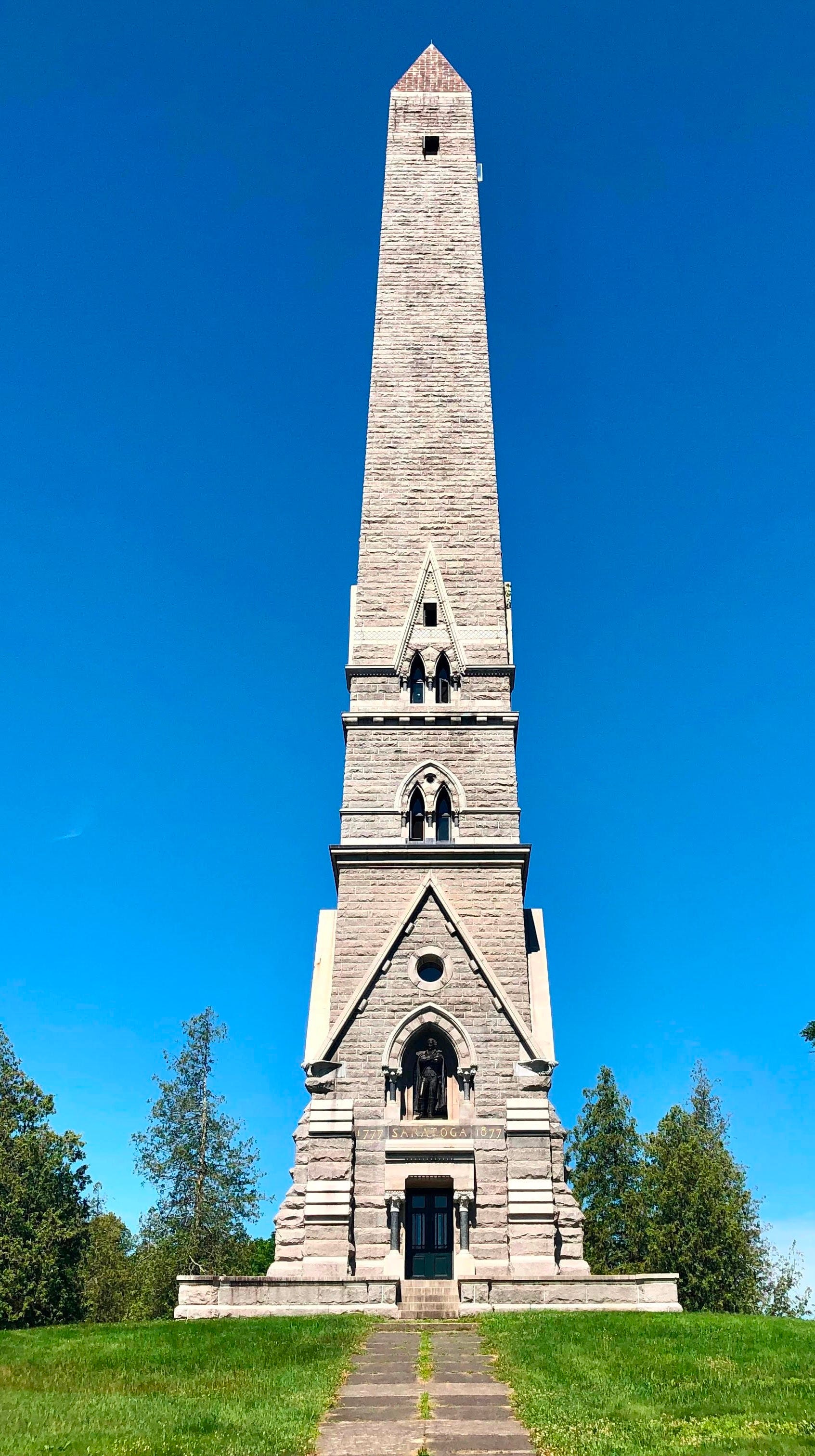
Heading south on the Northway, we spent a delightful few days in Saratoga Springs, where our country’s history is deeply rooted. Most of us remember studying the Revolutionary War in school and the story of how our soldiers brought the British to heel. What we may not recall is that the Battle of Saratoga was the first time in which the British were forced to surrender, signaling the war’s turning point and paving the way for America’s ultimate world dominance.
The Saratoga Monument marks the entrance to the Saratoga Battlefield and commemorates America’s victory in October 1777. The obelisk’s cornerstone was laid on October 17, 1877, on the centennial of General Burgoyne’s surrender.
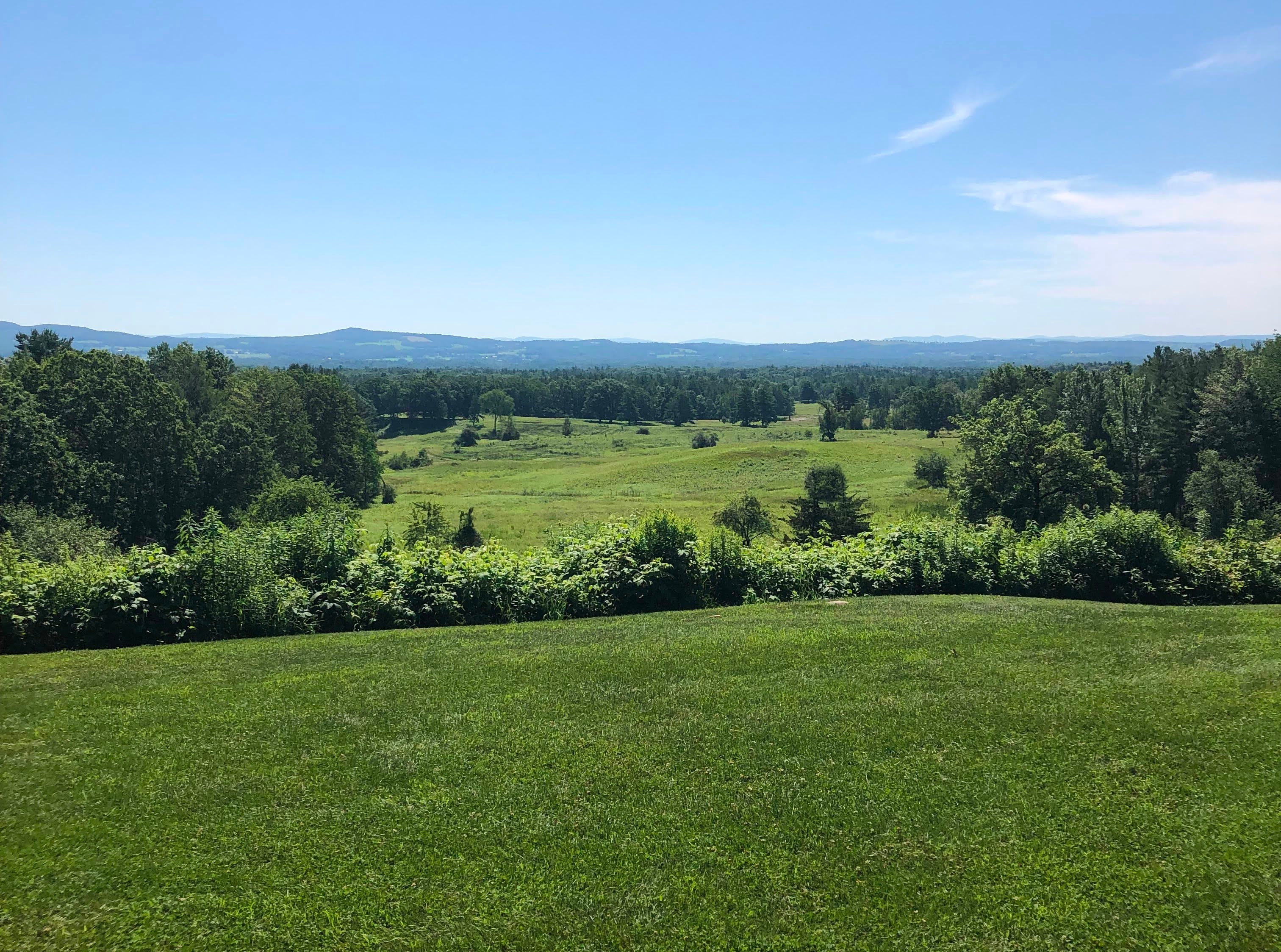
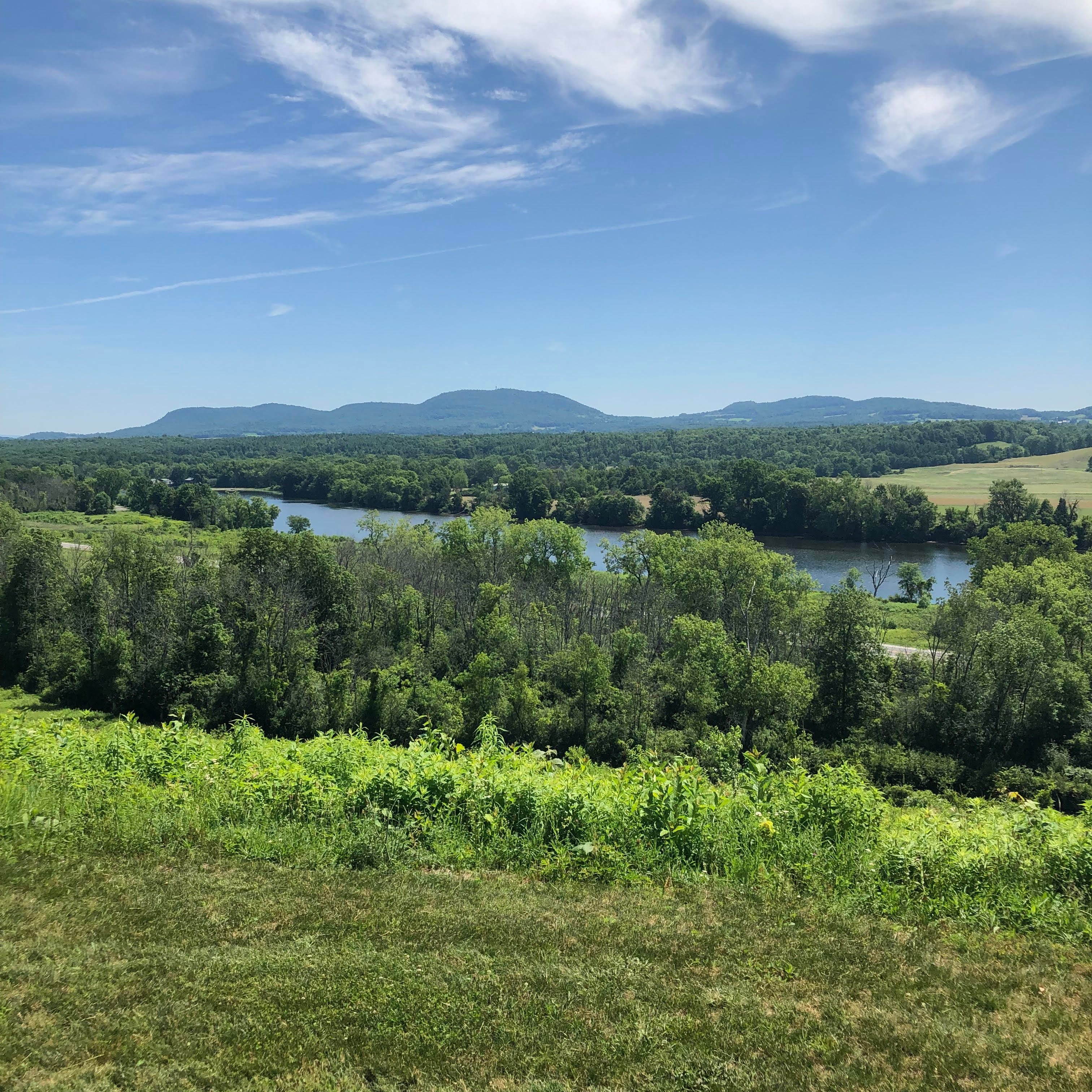
Nearby is General Philip Schuyler’s house, which was burned by the British before they surrendered.
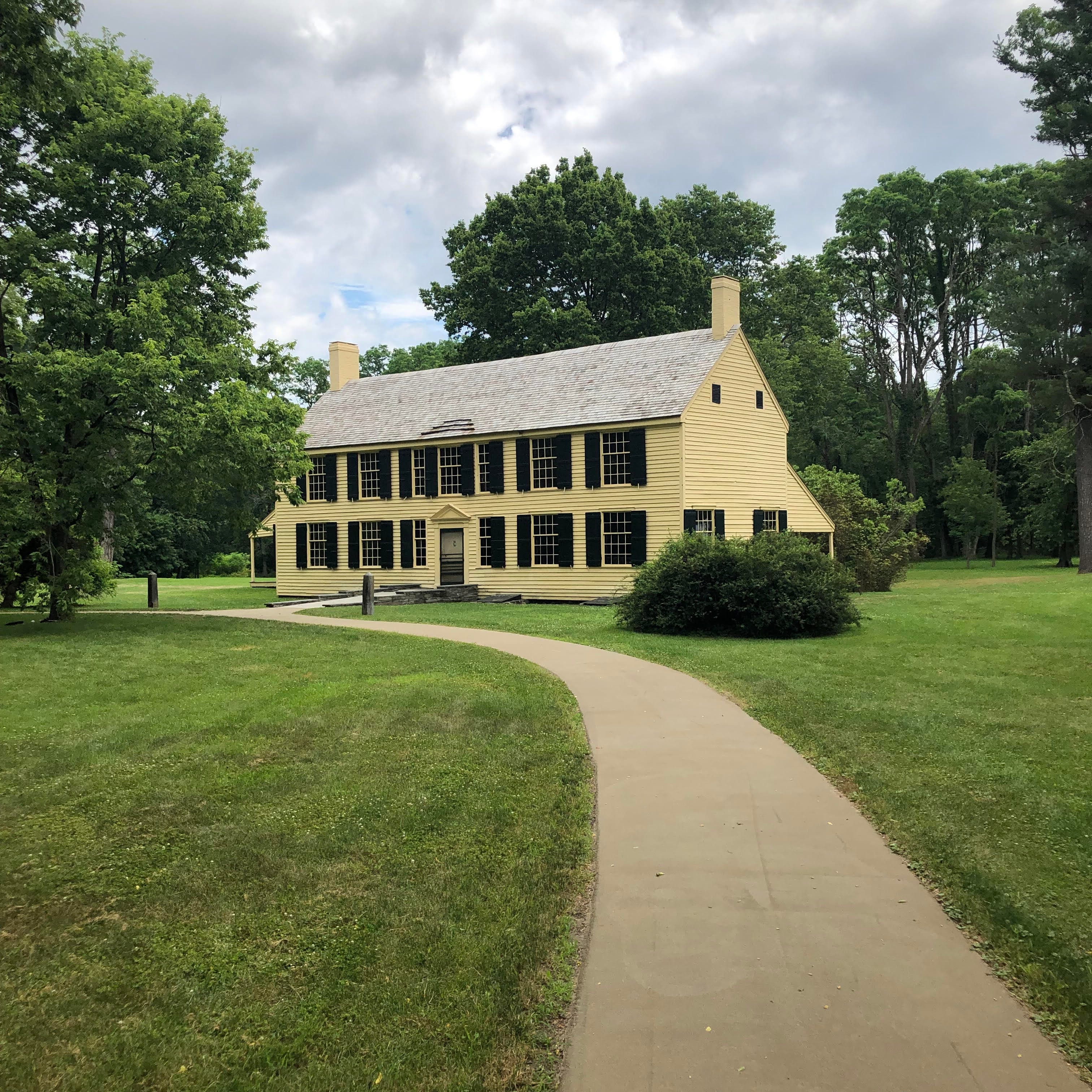
It served as a summer respite for the family, whose main residence was in Albany. General Schuyler’s daughter Eliza married Alexander Hamilton, who played a vital role in building the new country’s financial system, including founding The Bank of New York (now BNY Mellon). Full disclosure: I was a portfolio manager at both banks before they merged.
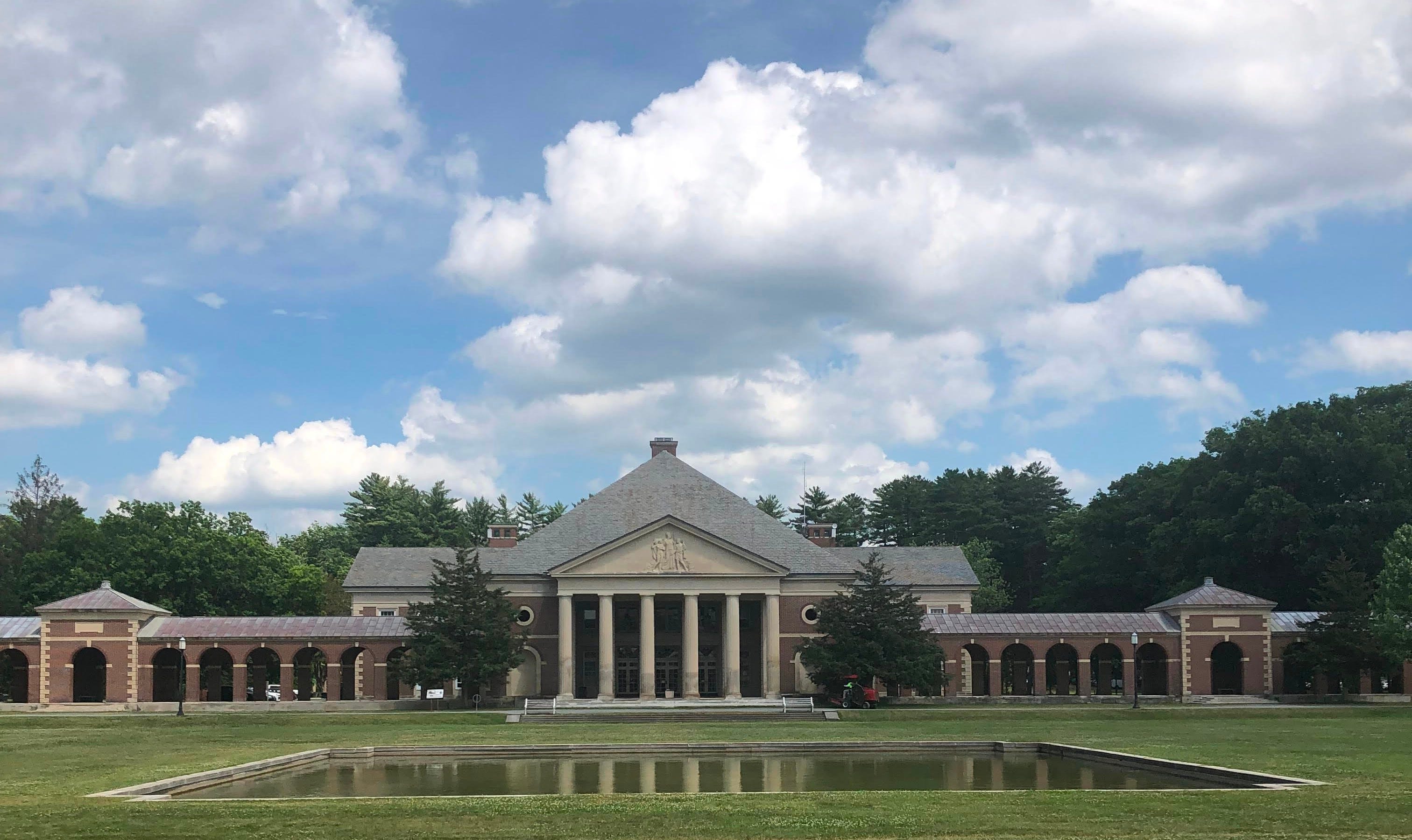
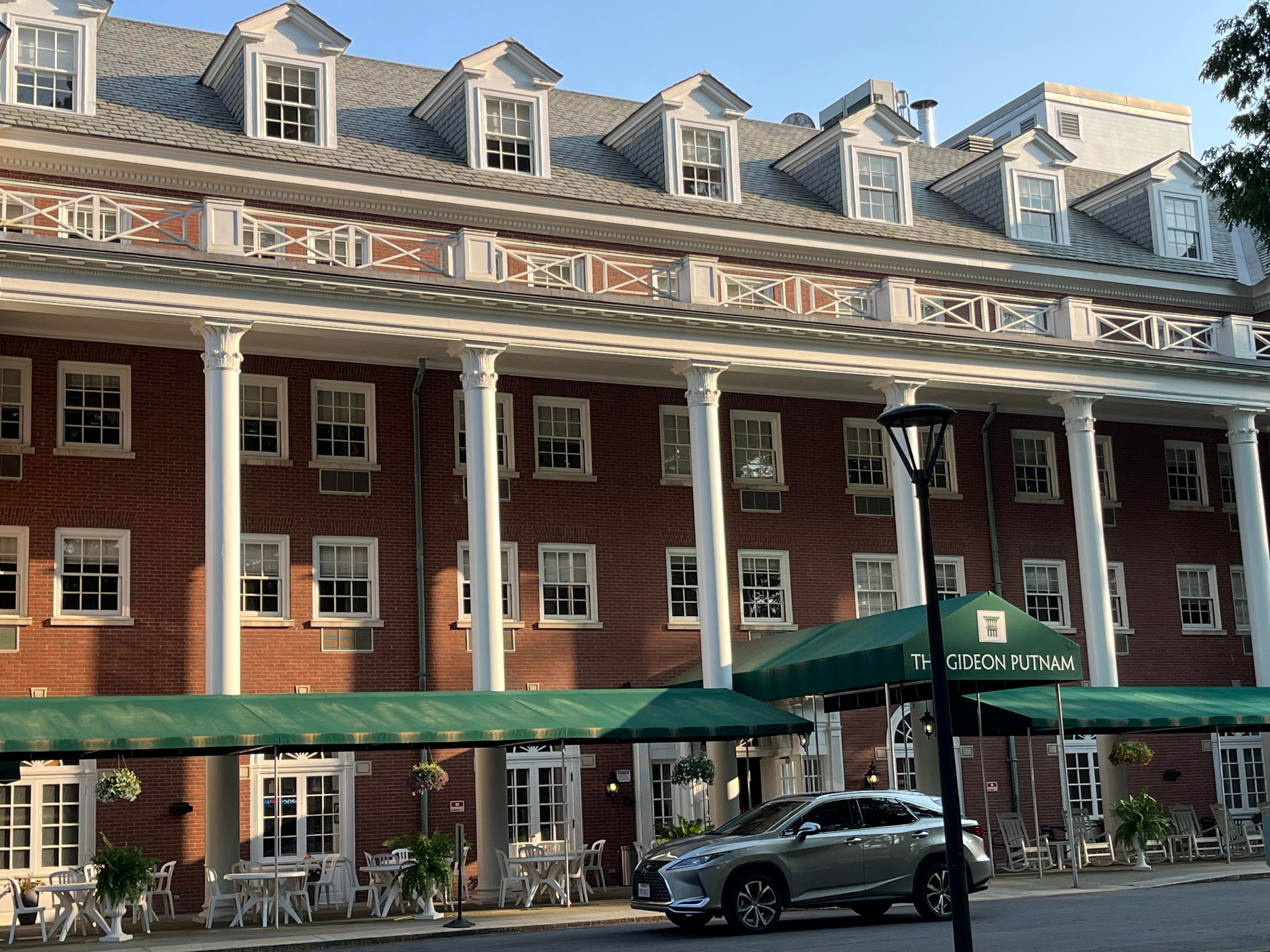
Saratoga today is known mostly for its race track, but more than a century ago its nearby access to the area’s hot springs was a major attraction for the wealthy to pack their trunks and head to the soothing waters. The baths today are housed at The Roosevelt Baths and Spa in Saratoga Spa State Park, just a couple of miles south of town. In addition to golf courses, swimming pools, The Saratoga Performing Arts Center, and the Gideon Putnam Resort, the park offers miles of trails for biking and walking. I took advantage of both.
The baths, built in 1935, owe their provenance to President Franklin D. Roosevelt, who knew from personal experience the natural healing properties they could bestow. Part of the Gideon Putnam Hotel complex, on offer are mineral baths and a range of massages, including Swedish, Reiki, and Shiatsu.
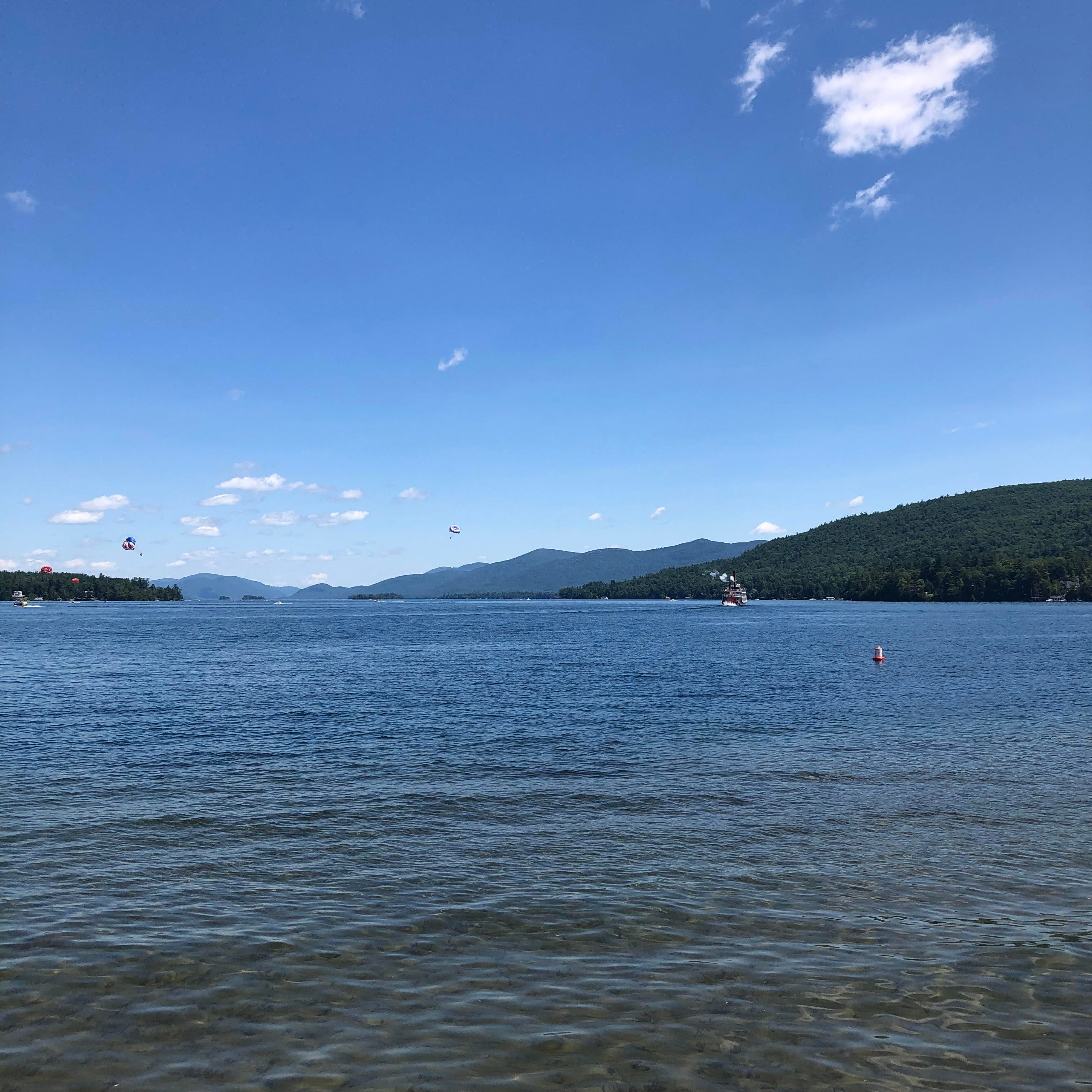
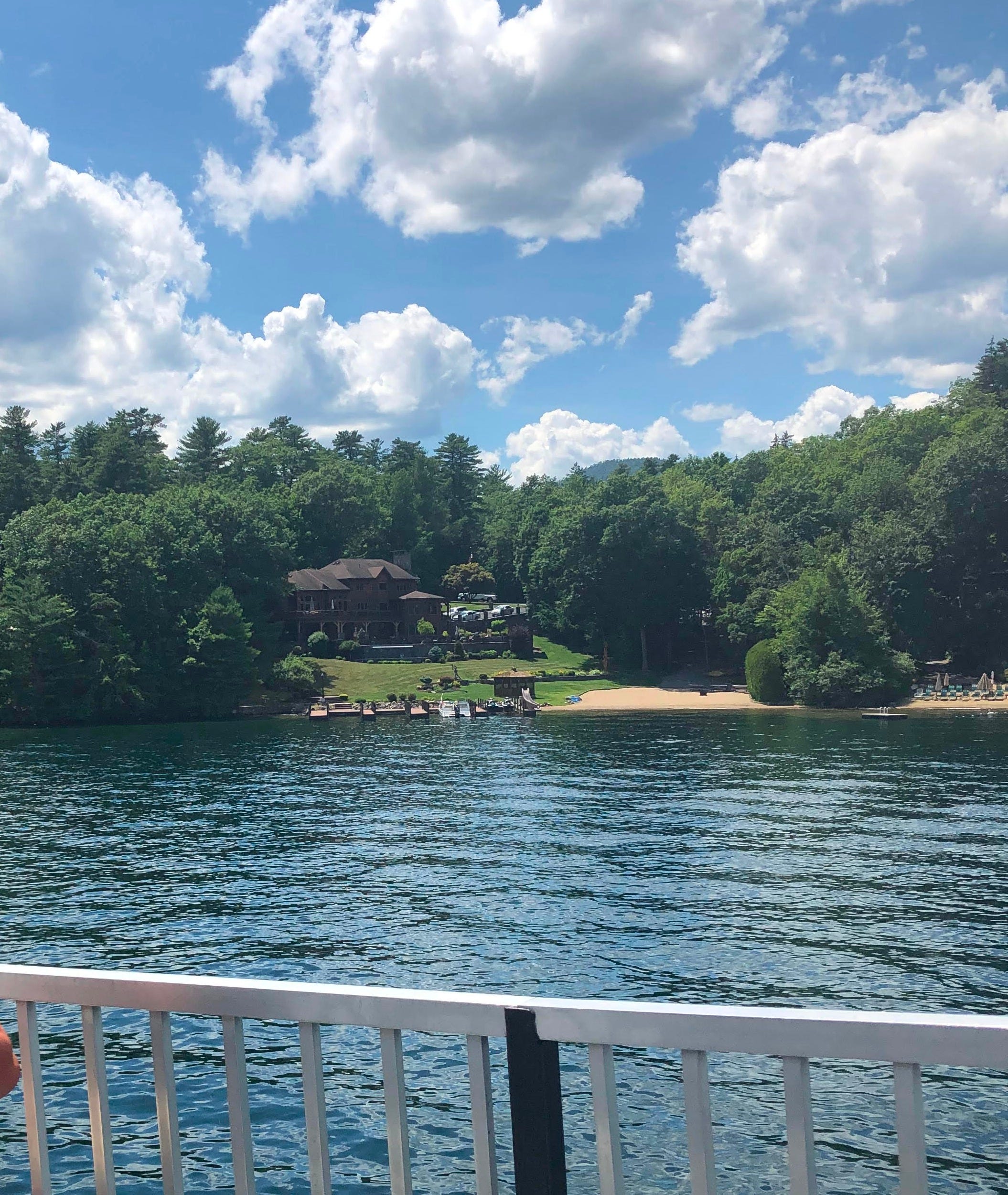
We spent a pleasant few hours aboard the Minne-Ha-Ha (owned by the Lake George Steamboat Company), sailing on Lake George, a 32-mile lake that is a 20-minute drive from Saratoga Springs. Its location on the Montreal-New York water route made it strategically important in the Revolutionary War, particularly because of its access to Fort Ticonderoga. British General Burgoyne’s ill-fated decision to attempt to reach the Hudson River through the unforgiving marshes of Lake Champlain, rather than take advantage of Lake George’s easy water route, helped seal his fate: the British defeat at The Battle of Saratoga.

Biking from our hotel to Saratoga Lake, I made it half way around before tossing in the proverbial towel once I concluded that the 97-degree heat might present a challenge. Though armed with two litres of water, they weren’t sufficient, and unlike most resorts, no convenience stores were to be found.
We had a scrumptious dinner at The Olde Bryan Inn, established in 1773, predating our country’s founding.
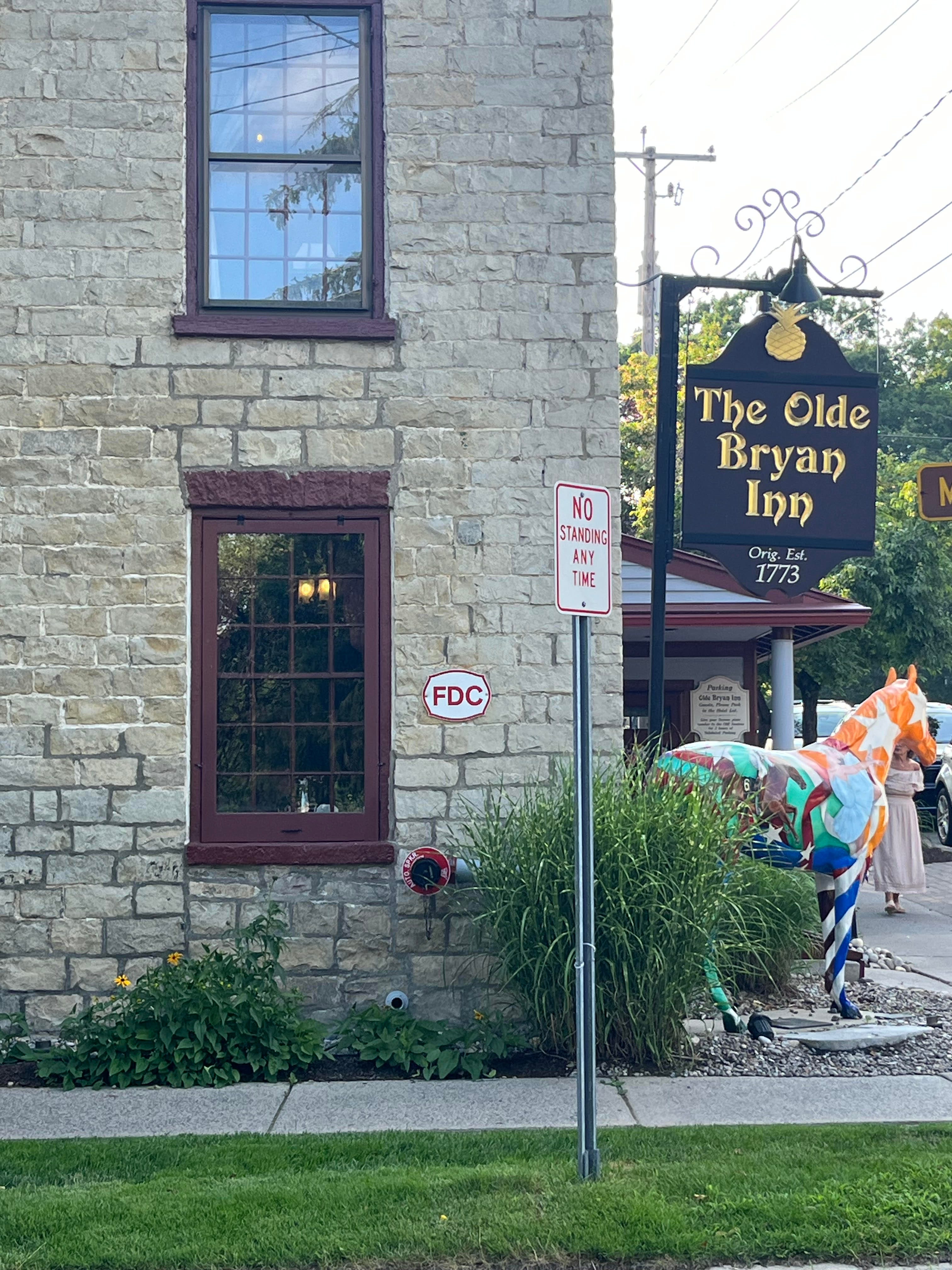
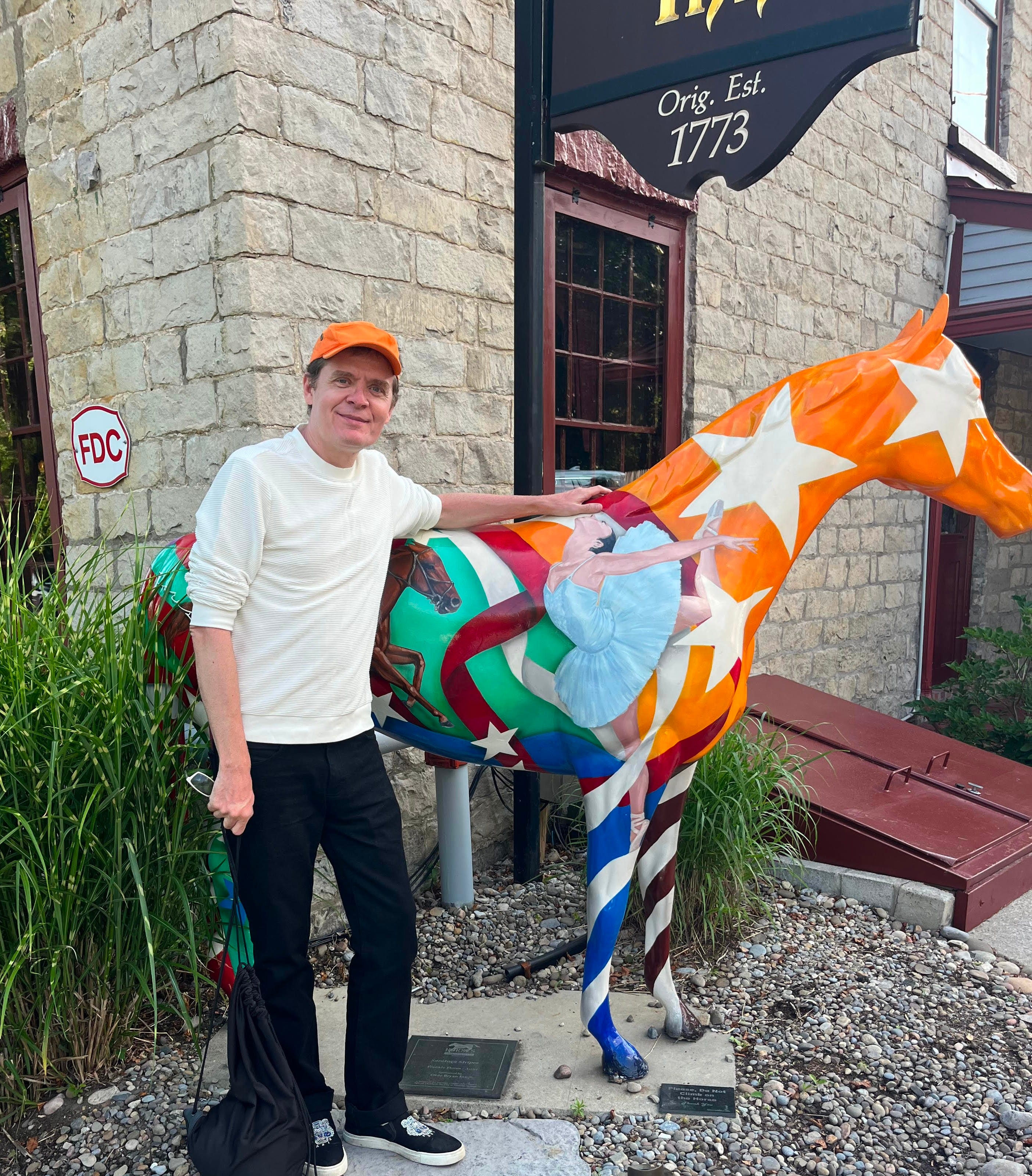
It was built by Alexander Bryan, a Revolutionary War hero and the first permanent resident of Saratoga Springs. He is renowned for spying on British General Burgoyne and learning of his plan to cross the Hudson River and surprise the American army at Stillwater. Though Bryan broke away from the British camp, he was forced to hide in a river for three days before he could report the intelligence to America’s General Gates. His bravery allowed the Americans to prepare for The Battle of Saratoga on September 19, 1777 and their subsequent victory three weeks later.
The Inn boasts a hearty menu, and we selected Gorgonzola Encrusted New York Strip Steak, Boneless Short Ribs, and Caesar Salad. Though the desserts looked enticing, we opted for a local Stewart’s Shop, a family-owned business in upstate New York, where two scoops of mouth-watering ice cream can be had for a mere $3 tab.
Sufficiently sated, we were well primed to make our way home, grateful for a week’s respite from the heat, and with a newfound appreciation for the beauty of life outside New York City.
Photo credit to Christopher Gines.
What a. wonderfu recap of your summer vacation. It combines several fun historical facts, good suggestions on what and where to visit in upstate NY, where to dine, bike and enjoy. Truly a fun overall read. Thank you, Merry for keeping up the excellent writing!
This is a beautifully written and informative article. I can’t wait to visit this place after reading about your experience. You should write for a Travel magazine.